Being a young parent is tough, and it can be especially hard to afford things like food. Lots of teenagers find themselves in this situation, wondering how they’ll feed themselves and their baby. One of the most common questions is, “Can a 16-year-old with a baby get food stamps?” This essay will break down how food stamps work and what a 16-year-old needs to know.
Eligibility Basics: Can a 16-Year-Old Qualify?
Yes, a 16-year-old with a baby can potentially get food stamps, also known as SNAP (Supplemental Nutrition Assistance Program). The rules are a little different for teens than for adults, but the main goal is to help families who need help getting enough food.
Living Situation Matters
Where a teen lives can impact their eligibility. Are they living with their own parents, or are they living on their own? This makes a big difference in how the food stamp rules apply. If the teen is living with their parents, the parents’ income is usually considered when deciding if the teen’s family qualifies. This is because the government sees them as part of the same household.
If the teen is living on their own, they are considered a separate household. This means that only the teen’s and the baby’s income (or lack of income) is considered. This is the most common way a teen parent can qualify for food stamps independently.
Let’s say a 16-year-old, Sarah, is living with her parents. Even if Sarah doesn’t have a job, the government will look at her parents’ income to see if the whole household qualifies. If Sarah and her baby are living alone in their own apartment, the government will only look at Sarah’s income.
Here’s a quick breakdown:
- Living with parents: Parents’ income counts.
- Living alone: Only the teen’s income counts.
Income Requirements: How Much Can They Earn?
To get food stamps, you have to meet income requirements. This means your household’s income (which, as we discussed, depends on where you live) must be below a certain level. The exact income limits change depending on the state and the size of the household (the teen and the baby). The lower the income, the more likely you are to qualify.
The government looks at both gross income (what you earn before taxes and other deductions) and net income (what’s left after deductions). Generally, the income limits are set by the federal government, but states can sometimes adjust them a bit. To know the exact limits, you need to check with your local social services office or look at your state’s SNAP website.
Let’s imagine a teen named Michael. He works part-time at a fast-food restaurant. The government will look at how much Michael earns each month, and then will compare that to the income limits. If Michael’s income, and his baby’s income, is below the limit, Michael can qualify for SNAP benefits.
Here is an example of how the income limits might look (these are just examples, and real numbers will be different):
- Household Size 1 (Teen & Baby): $2,000 per month (gross income)
- Household Size 2 (Teen, Baby, & Parent): $3,000 per month (gross income)
Proving Identity and Other Requirements
To apply for food stamps, the 16-year-old needs to provide some documentation. This usually includes proof of identity (like a birth certificate or a state ID), proof of where they live, and proof of income (like pay stubs or a letter from their employer). Since the teen is a minor, they might need a parent or guardian to sign some papers.
The government needs to verify that the teen really is who they say they are, and that they are telling the truth about their income and living situation. This is to make sure the program helps the people who really need it. The application process can sometimes feel like a lot of paperwork, but it is important for the government to make sure the program is working fairly.
During the application process, expect to answer a lot of questions about yourself, your baby, and your situation. Be prepared to provide documentation, like:
- Birth Certificate
- Social Security Card
- Proof of Address
- Pay stubs
The person assisting you may ask questions, such as:
- Where do you live?
- Who lives with you?
- What are your income sources?
- Do you have any assets?
Applying for SNAP Benefits
Applying for SNAP (food stamps) can usually be done in a few ways. The first is to go to your local Department of Social Services office and fill out an application in person. You can also sometimes apply online through your state’s website. Some states also have applications you can print out and mail in.
The application process will involve answering questions about income, expenses, and household members. Be as honest and accurate as possible on the application. Providing false information could lead to problems. Once you submit the application, the government will review it, and will notify you if you’re approved.
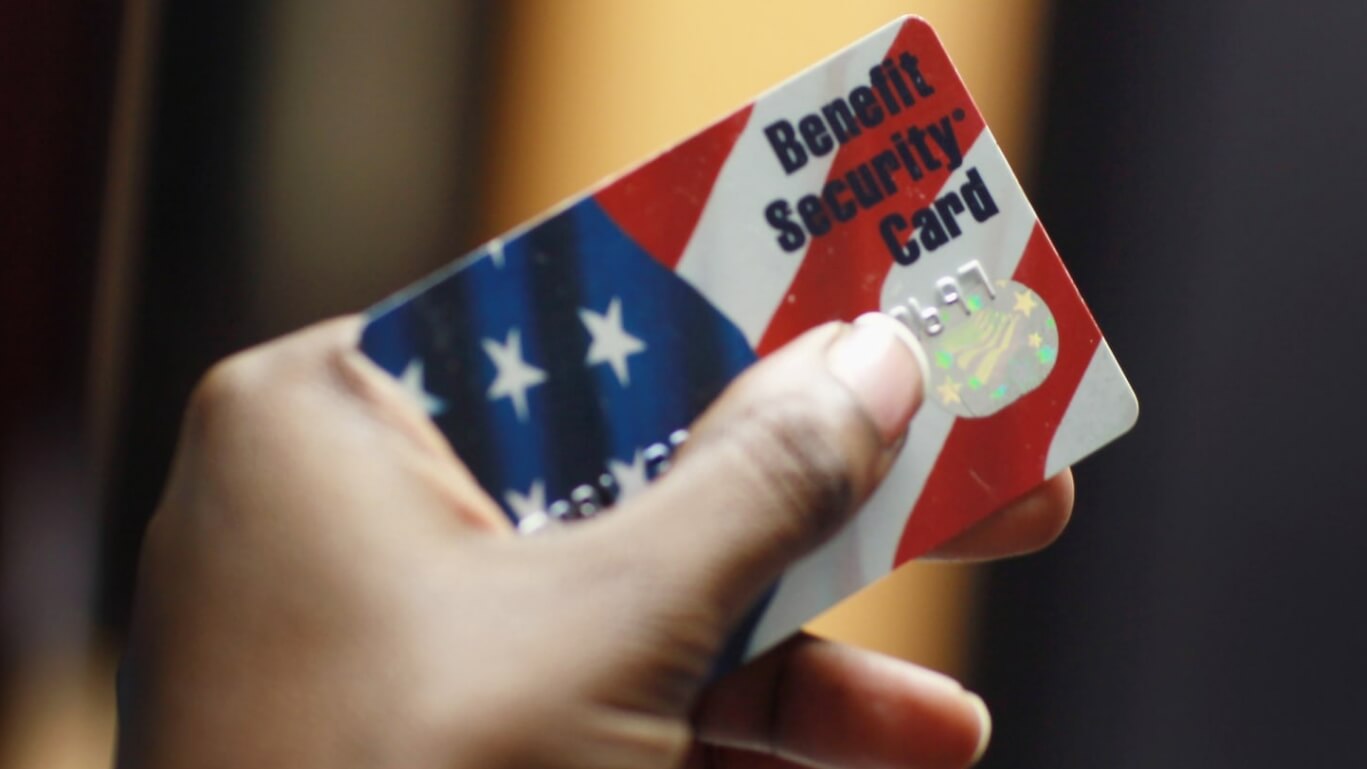
After applying, you might have to go for an interview. This can happen in person or over the phone. During the interview, someone will ask you more questions about your situation to confirm that you’re eligible. If you’re approved, you’ll get an EBT card, which works like a debit card.
Here’s a basic timeline of what to expect:
| Step | What to do |
|---|---|
| 1 | Gather documents: ID, proof of address, income verification. |
| 2 | Apply: Online, in person, or by mail. |
| 3 | Attend Interview: Answer questions honestly. |
| 4 | Receive Decision: Get approved or denied. |
| 5 | Get EBT Card: If approved, use it to buy food. |
What Food Can You Buy with Food Stamps?
Food stamps can only be used to buy certain kinds of food. You can use the benefits to purchase things like fruits, vegetables, meat, poultry, fish, dairy products, bread, and cereals. You can’t use the card to buy things like alcohol, tobacco, pet food, or non-food items like paper towels or diapers.
The EBT card can be used at most grocery stores and some farmers’ markets. When you go to the store, you’ll swipe your card and enter your PIN to pay for eligible food items. You will likely get a receipt showing what was purchased and the remaining balance on the card. This helps keep track of your spending and remaining benefits.
SNAP benefits are meant to help cover the cost of food. You can’t use them for non-food items, such as:
- Alcohol
- Tobacco
- Pet Food
- Vitamins
Remember the main goal is to help families afford healthy food for their babies and themselves!
Other Important Things to Know
It’s important to remember that the rules for food stamps can change. Also, each state has its own specific rules and guidelines. If you’re a teen parent, it’s important to reach out to your local Department of Social Services to get the most accurate and up-to-date information for your specific situation.
Also, there are often other resources available to help teen parents, like WIC (Women, Infants, and Children) for food and healthcare, and parenting classes. Schools and community organizations can also be great sources of support. Never be afraid to ask for help when you need it!
Many resources are available, from:
- Local food banks
- Women, Infants, and Children (WIC)
- Temporary Assistance for Needy Families (TANF)
- Homeless shelters
They can also help you find other resources to get help with:
- Childcare
- Job Training
- Housing
Also:
| Important Note | Reason |
|---|---|
| Always keep your EBT card safe | Prevent someone else from using it |
| Report any lost or stolen card immediately | Protect yourself from fraud |
Being a parent at any age is tough! Don’t give up!
Conclusion
So, can a 16-year-old with a baby get food stamps? Yes, it is possible! Eligibility depends on several factors, like where the teen lives, their income, and the state’s specific rules. The best thing for a teen parent to do is to contact their local social services office to learn about the exact requirements and how to apply. Remember, there are resources available to help young parents, and seeking assistance is a sign of strength.